What Is The Similarities Between Folding And Faulting
Fold and faults 1. Faulting and folding are both types of rock deformation.

Section 1 Review
One of the principal challenges for investigations of the links between faulting and volcanic activity is the definition of the detailed temporal relationships between these two.
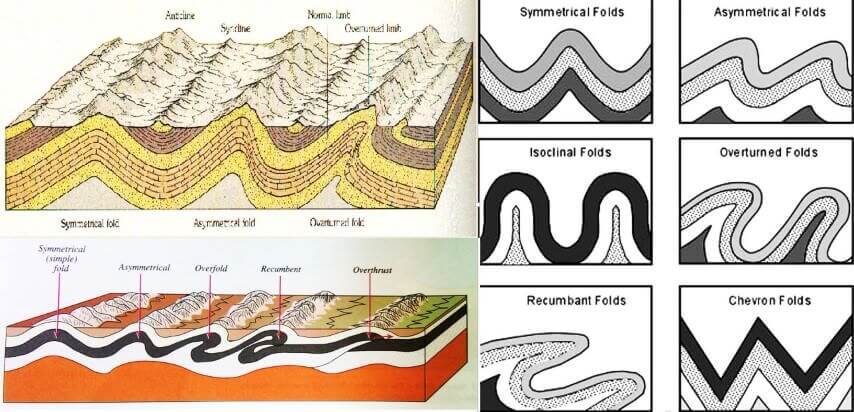
What is the similarities between folding and faulting. - Fold mountains occur where the crust is pushed up as plates collide which causes the crust to rise up in folds. Think of some science putty. V They are generally common in sedimentary rocks eg the Himalayas and the Alps.
Faulting results in the formation of block mountains like black forest mountains etc. This movement may occur rapidly in the form of an earthquake - or may occur slowly in the form of creep. Some folds are small and can be seen in individual rocks and some folds are huge and can only be seen from the air.
Most faults produce repeated displacements over geologic. A combination of a fault and a fold in rock is called an overthrust fault. However there are differences in.
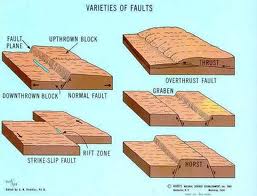
Both normal and reverse faults show vertical movement of rocks whereas strike-slip faults show horizontal movement. Faults allow the blocks to move relative to each other. Faults are a form of brittle deformation and typically make a rock sequence to appear broken.
Introduction Structural geology is the study of factors such as origin occurrence classification type and effects of various secondary structures like folds faults joints rock cleavage and are different from those primary structures such as bedding and vesicular structure which develop in rocks at the time of their formation. The results of stress are folding and faulting. How do you tell the difference between a fault and a fold.
Both normal and reverse faults show vertical movement of rocks whereas strike-slip faults show horizontal movement. The difference between folding and faulting is that folding is the pressure of converging plates causing the crust to fold and buckle resulting in the creation of mountains and hills and faulting is where cracks in the earths rock are created because of different movement of tectonic plates. This forces results in crustal bending.
The process is known as folding. Closest to the fold axis whereas the oldest rocks occur in the core of an anticline. Folding and faulting are caused by compressional forces.
Folds and Faults are both driven by natural forces such as weather gravity and natural disasters. There a 3 main fault types normal reverse and strike-slip. The difference between folding and faulting is that folding is the pressure of converging plates causing the crust to fold and buckle resulting in the creation of mountains and hills and faulting is where cracks in the earths rock are created because of different movement of tectonic plates.
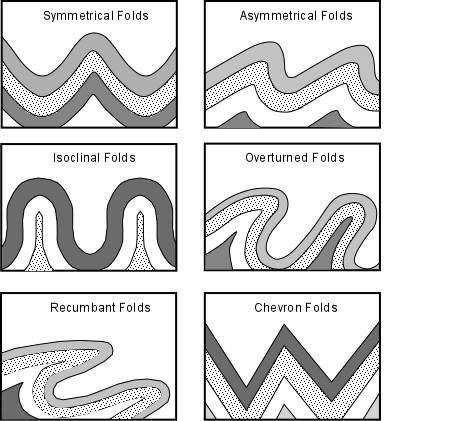
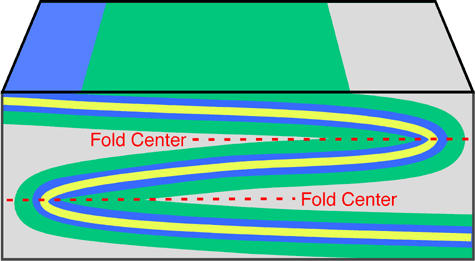
To conclude - folding is just a part of a broad warping. When a rock has stress put on it and does not break it is called folding. A syncline is a fold in which the youngest rocks occur in the core of a fold ie.
And right valleys like the Narmada Tapi etc. The process of uplift and subsidence along the line of weakness is called faulting. Folds appear as wave-like structures in rock layers.
Iii Due to compression different types of folds are formed. Folds are more likely to occur when the deformation caused by the compression is applied slowly. Folds are a form of ductile deformation and typically make a rock sequence bend and curve.
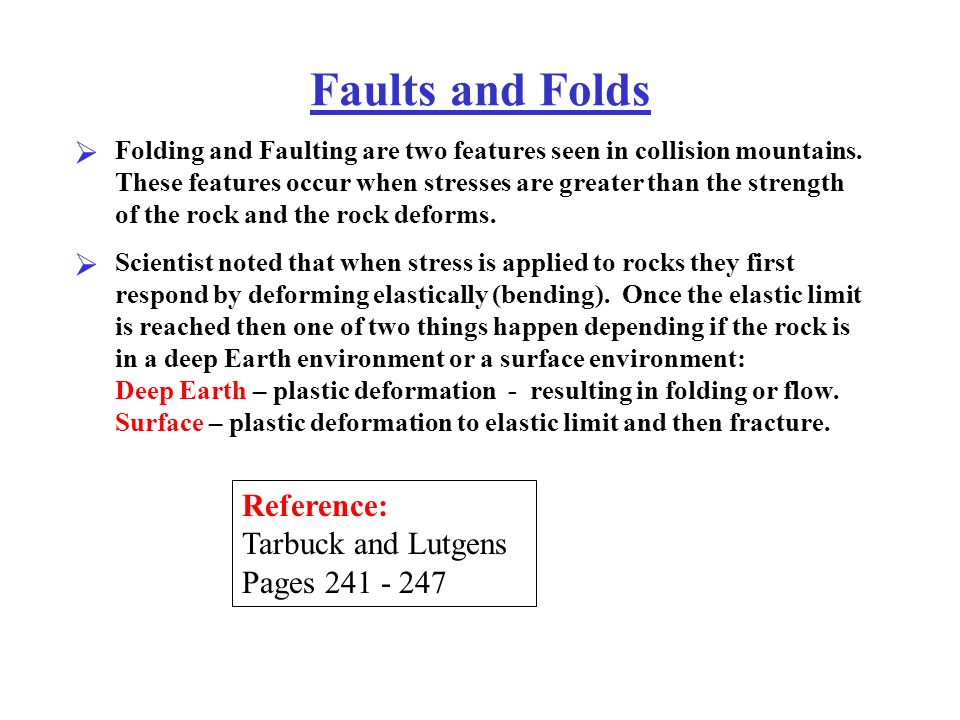
Folding and faulting are both caused by stress in the Earths crust exceeding the strength of the material. Warping and folding are both formed out off convergent forces. Iv It leads to the formation of anticlines and synclines.
Both normal and reverse faults show vertical movement of rocks whereas strike-slip faults show horizontal movementFolds are a form. Mountain ridges are mountains formed due to local folding and faulting and rise abruptly from the adjoining region for example Blue Ridge Mountains USA. Ii Forces move towards a common centre.
Folds typically occur in hotter rocks as this makes them more bendy ductile. And folding is bending in rock. These two phenomenons take considerable amount of time to form.
Folds are formed by slow compression and high temperatures and folds become pliable while faults form when rocks fracture due to pressures higher than their internal. If the pressure compression that is. Faults may range in length from a few millimeters to thousands of kilometers.
I Folding is caused due to horizontal movements. Folds are a form of ductile deformation and typically make a rock sequence bend and curve. A fault is a fracture or zone of fractures between two blocks of rock.
Folds are bends in the rocks that are due to compressional forces. Answer 1 of 4. What is folding and faulting of mountains.
What are the similarities and differences between folding and faulting. This deformation is the result of forces that are strong enough to move ocean sediments to an eleveation many thousands meters above sea level. Warping is wherein crust is warped raised upward or downward over large area.
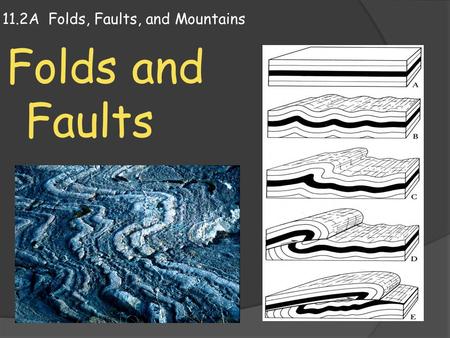
What are the similarities between folding and faulting. The topographic map illustrated in Figure 10l-1 suggests that the Earths surface has been deformed. Diastrophic processes - folding and faulting occur when pressure deep within the lithosphere cause the earths surface to buckle bend and even split apart.
Faults are formed due to tensional forces along which displacement of rock takes place. Folding and Warping Syncline and anticline are terms used to describe folds based on the relative ages of folded rock layers. Despite this association the causal relationships between volcanism and normal faulting can be unclear and are poorly understood.
Introduction to the Lithosphere. The difference between folding and faulting is that folding is the pressure of converging plates causing the crust to fold and buckle. Faults and Folds happens in rock solid and geological surfaces.
Himalayas in Asia and Rockeys in North America. Volcanoes and normal faults are by definition both present within volcanic rifts. In mountain range time of origin is same where as in mountain system time of origin is different.
The higher the temperature the more pliable rocks become. The vertical movement of the earths crust involves uplift or subsidence of crust along the lines of weakness and is called faulting. Folds typically occur in hotter rocks as this makes them more bendy ductile.
The major difference in mountain ranges and mountain systems.
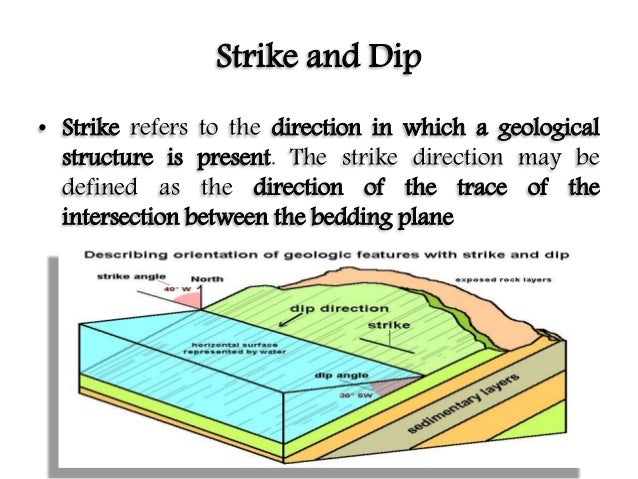
Fold And Faults
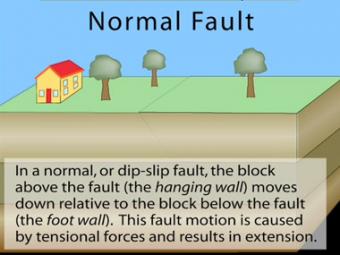
Faulting Folding Foam Faults Demo Incorporated Research Institutions For Seismology
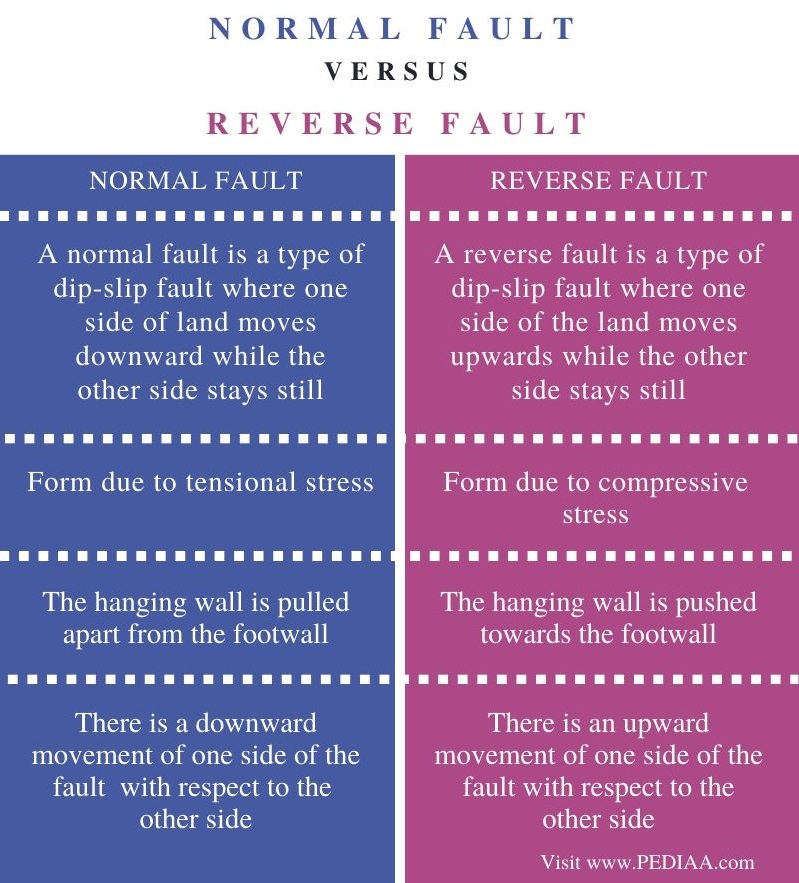
What Is The Difference Between Normal Fault And Reverse Fault Pediaa Com

Folding And Faulting Venn Diagram Folding Both Faulting Brainly Ph
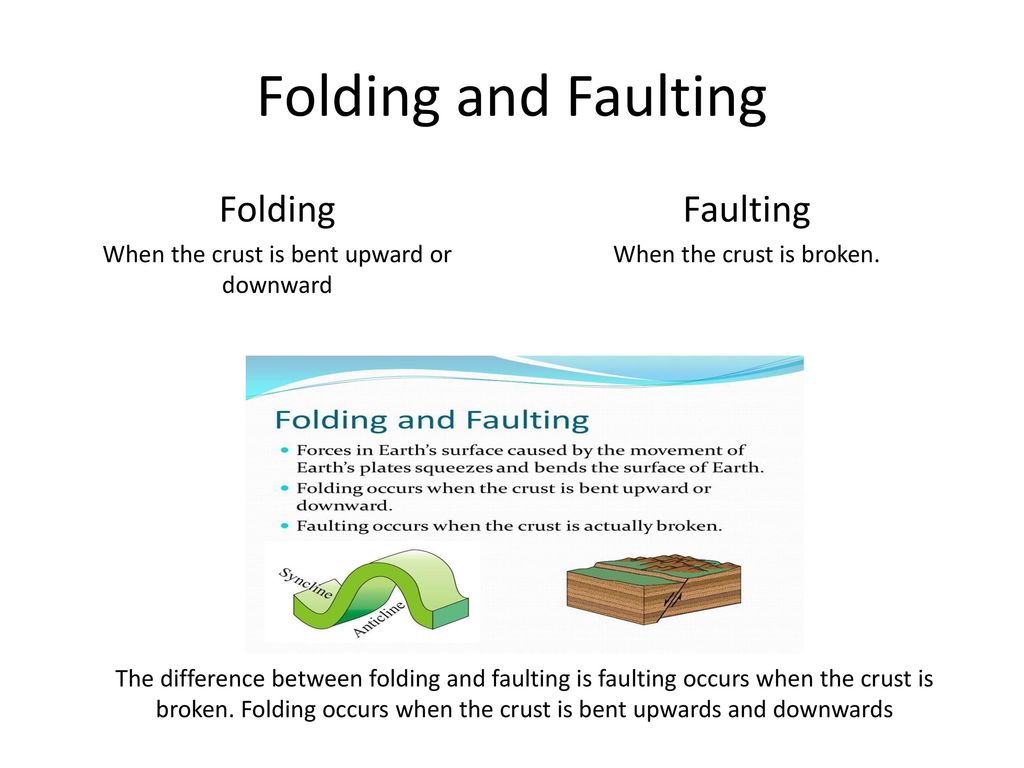
Plate Tectonics Abbey Naji Ppt Download
Faults And Folds Plate Tectonics
Deformation Of Rocks
Geologic Structures And Diagrams


Faults And Folds Reference Tarbuck And Lutgens Pages Ppt Video Online Download

Geo Expro Folds And Folding Part Ii

Forces In Earth S Crust Chapter 5 Section 4 Grade 8 Science Ppt Download
Fold Fault In Geology Fold Mountains And Block Mountains Pmf Ias
Faults And Folds Reference Tarbuck And Lutgens Pages Ppt Video Online Download
10 L Crustal Deformation Processes Folding And Faulting
Solved Make A Venn Diagram And Compare Faults From Folds And Stress From Strains Using It Course Hero
Diastrophism Warping Folding And Faulting Ppt Video Online Download
Solved Make A Venn Diagram And Compare Faults From Folds And Stress From Strains Using It Course Hero

What Is Folding And Faulting Brainly In
How Are Faults And Folds Formed Differently Quora